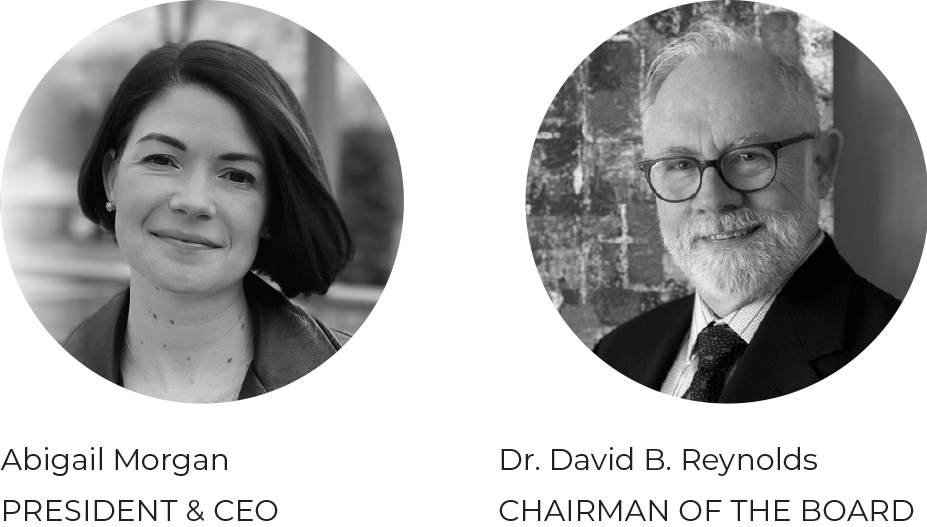
2025 was a year of purposeful evolution for Direction Home Akron Canton.
As our region’s aging landscape grows more complex, we strengthened our commitment to optimizing aging through our in-home assessment, waiver service coordination and care management, advocacy and rights. protection, and provider network management. These core competencies allow us to provide trusted access to home and community-based services, such as meals and personal care, as well as nurture and grow community partnerships. Our strategic focus aligns with our mission—reinforcing core competencies while preparing for a future defined by innovation and increasing opportunities for community support.
We enter 2026 with strong momentum, grounded in a universal belief: our skillsets and experience remain the irreplaceable core of successful aging. We provide access, guidance and a tailored experience to the tens of thousands of individuals who enter our “front door,” the Aging and Disability Resource Center. Then, by providing care management across Medicaid waiver and Older Americans Act programs, we continue to deliver trusted, person-centered coordination that ensures older adults and people with disabilities can thrive in the place they want to call home.
Access to Services
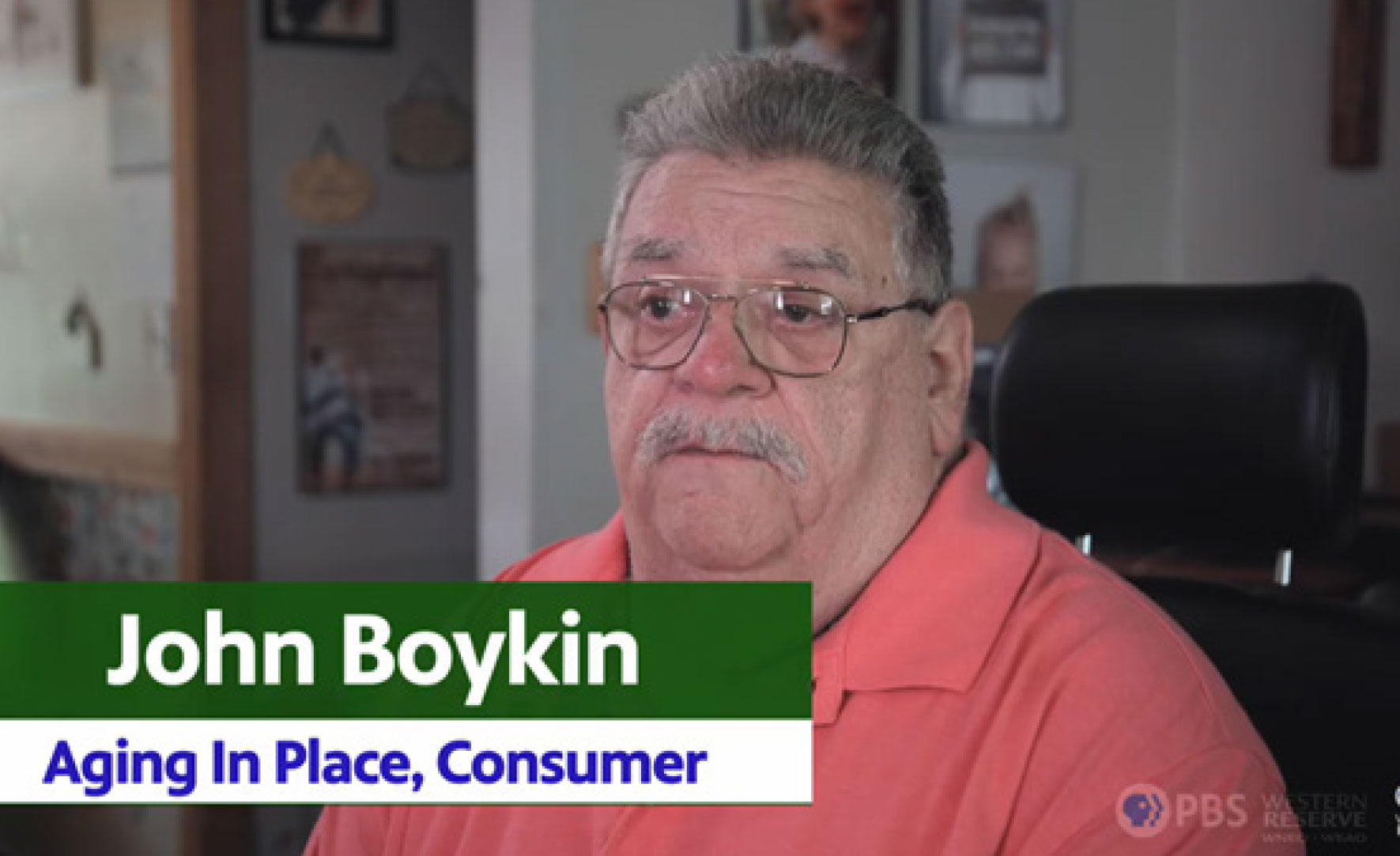
Access to meaningful, person-centered services remains one of the most urgent community challenges. In 2025, Direction Home served as the central hub for identifying needs, assessment, and coordination across Summit, Stark, Portage, and Wayne counties through our Aging and Disability Resource Center (ADRC). We received 31,607 referrals to the ADRC and completed 6,282 assessments in the community. We exceeded 8,000 members across various programming in 2025, and had 16,538 contacts in Elder Rights. These roles across our Agency allow us to see the need growing in the 60+ population. A featured consumer story from the Aging in Place (AIP) program highlights the critical difference that assessment, in-home assistance, technology support, and case management can make. As American Rescue Plan Act (ARPA) funding ended and AIP wound down, the needs of older adults did not decrease—highlighting gaps for non-Medicaid populations.
We experienced an increased demand for services: waiting lists grew, calls increased, and assessments reached new highs. All of this was in part due to the loss of over $7 million in extra COVID-era funding that provided 430,000+ meals to 4,500+ recipients. The loss of these funds resulted in reduced meals and personal care hours for many community members. Still, 2025 saw significant achievements: MyCare Ohio transitioned to its new form, Next Generation MyCare under a Duals Special Need Plan, requiring new roles and processes developed by our clinical leadership.
Our management of the statewide care transitions contract with Medical Mutual of Ohio (MMO) continues to decrease readmissions through successful member engagement as the trusted local area agency on aging. Our advocacy assisted with an increase to the personal needs allowance for nursing home residents, the first in nearly 20 years.
Looking ahead, our advocacy and need for sustainable funding remains essential to endeavor that no older adult falls through the gaps in care. We continue to see more older adults go without the in-home services they need like home-delivered meals, personal care, and emergency communication systems because they lack the funds to pay out of pocket but do not qualify for public programs such as Medicaid. We need to find sustainable funding for these individuals if everyone is going to have the choices they need to age in place.
Close